Why Can’t You Roll Down Tinted Windows?
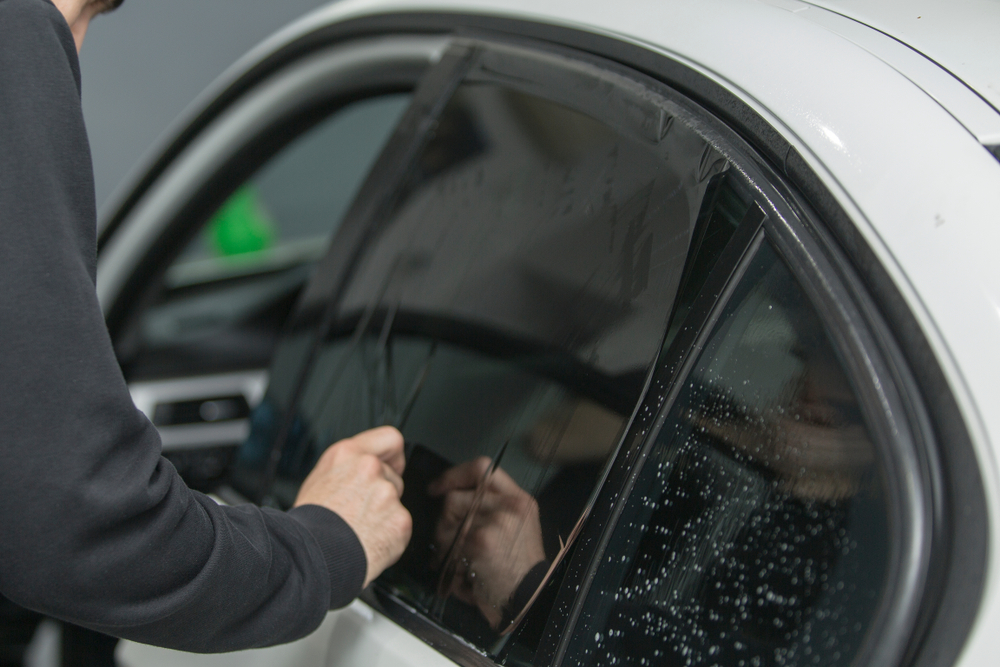
Rolling down tinted windows too soon after installation can disrupt the curing process and cause the tint to shift or peel, so it’s best to wait at least 24-48 hours before rolling down tinted windows.
How Long Does It Take For Window Tint To Fully Cure?

The time it takes for window tint to fully cure can vary depending on several factors, including the type of tint film used, the environmental conditions, and the installation process. In general, most window tint films require a curing period of about 1 to 2 weeks to fully dry and adhere to the glass surface […]
What Is The Best Window Tint Technology?
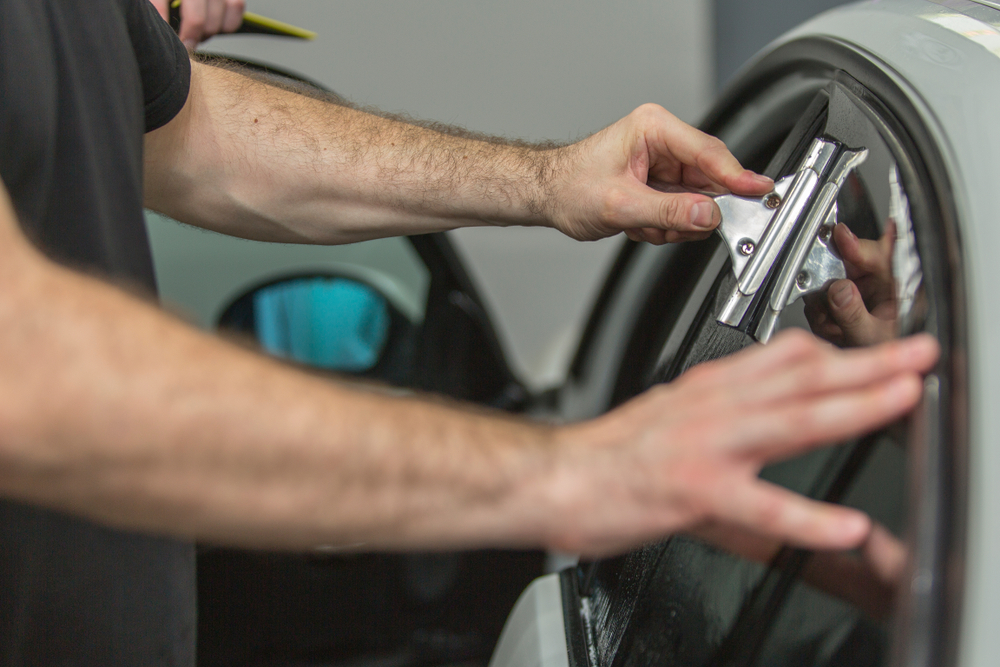
Determining the “best” window tint technology depends on your specific needs, preferences, and budget. Different types of window tint technologies offer various benefits and features. Here are some popular window tint technologies and their characteristics… Ceramic Window Tint – Ceramic window tint is known for its superior heat rejection properties and durability. It contains ceramic particles […]
How Do I Block A Window For Privacy?
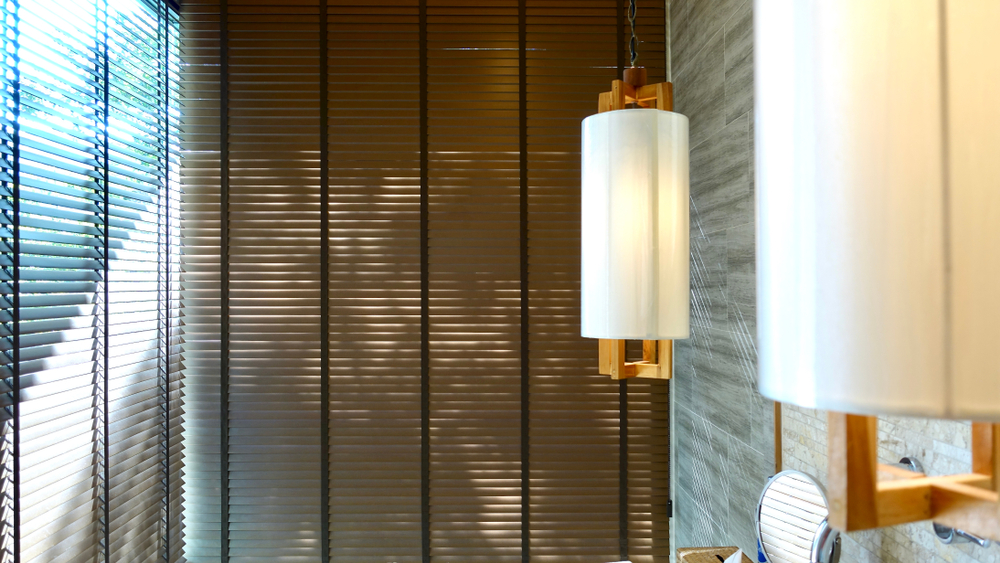
Blocking a window for privacy can be achieved through various methods, depending on your preferences, needs, and the level of privacy desired. Here are several options to consider… Window Coverings – Install window coverings such as blinds, curtains, shades, or drapes that can be closed to block the view into the room. Choose opaque or blackout […]
What Is Factory Window Tint Percentage?
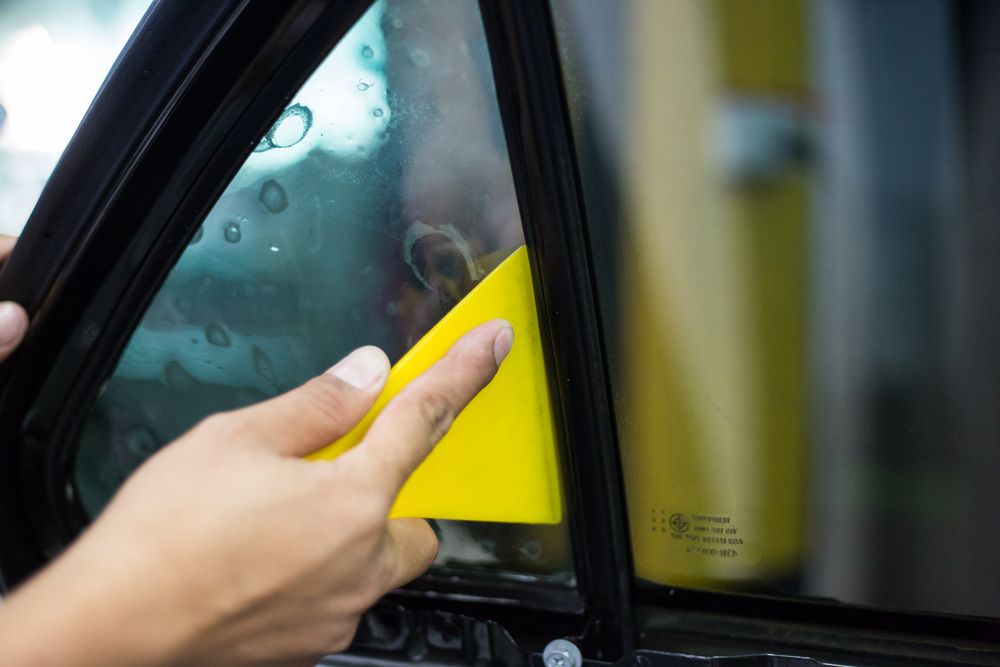
The factory window tint percentage refers to the level of visible light transmission (VLT) allowed through the windows of a vehicle as applied by the manufacturer at the factory. This factory-installed tint is often referred to as “factory tint” or “OEM tint.” The percentage of visible light transmission indicates how much light is allowed to […]
Does Window Tint Cure Faster In Hot Weather?

Yes, window tint typically cures faster in hot weather compared to cooler temperatures. The curing process of window tint involves the drying and bonding of the adhesive between the film and the glass surface. Higher temperatures can accelerate this process by increasing the rate of evaporation of moisture and solvents from the adhesive. In hot […]
What Is The Best Privacy Film For Night?

When choosing a privacy film specifically for nighttime use, it’s important to consider options that provide effective privacy without compromising visibility from the inside. While traditional one-way window films may not be as effective at night due to reduced lighting contrast, there are several alternatives that can offer privacy both day and night. Here are […]
Is There A One Way Window Film That Works At Night?

Traditional one-way window film relies on differences in lighting conditions between the two sides of the glass to create the illusion of one-way visibility. However, its effectiveness diminishes at night when there is less contrast in lighting between the inside and outside of the building. While there isn’t a one-way window film specifically designed to […]
Does Window Film Keep House Cooler?
Yes, window film can help keep a house cooler by reducing the amount of heat that enters through the windows. Here’s how window film contributes to cooling a house… Solar Heat Reduction: Window film is designed to block a significant portion of the sun’s solar energy, including infrared radiation (heat) and visible light. By reducing […]
What Is The Best Heat Blocking Window Film For A House?
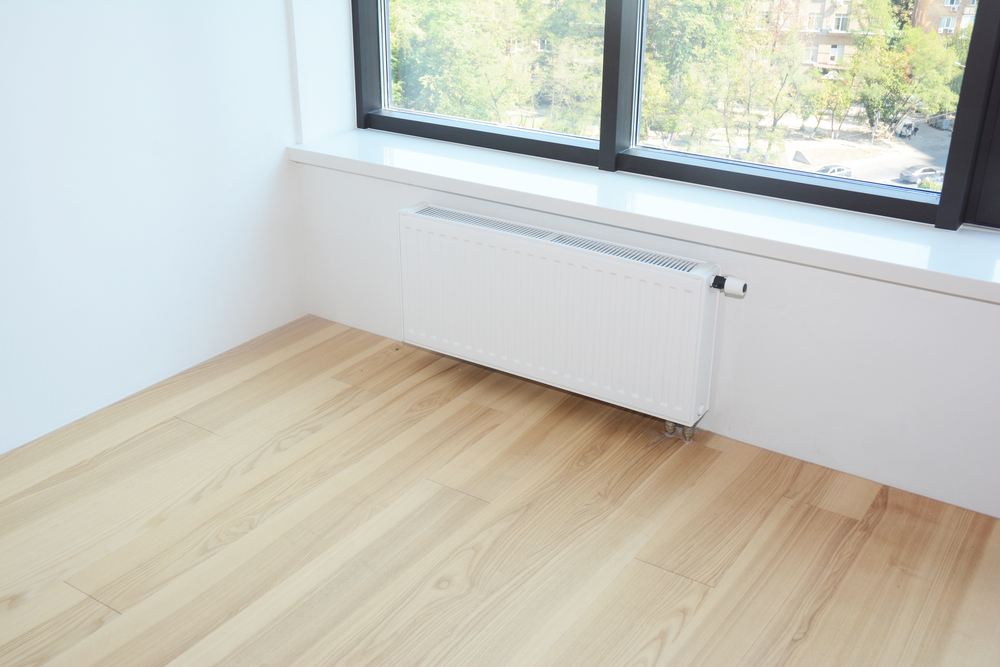
The best heat blocking window film for a house depends on various factors such as your specific needs, budget, and preferences. However, here are some popular types of window film known for their effectiveness in blocking heat… Ceramic Window Film – Ceramic window film is considered one of the most effective options for blocking heat while […]