Why Can’t You Put Window Film On Double Glazed Windows?
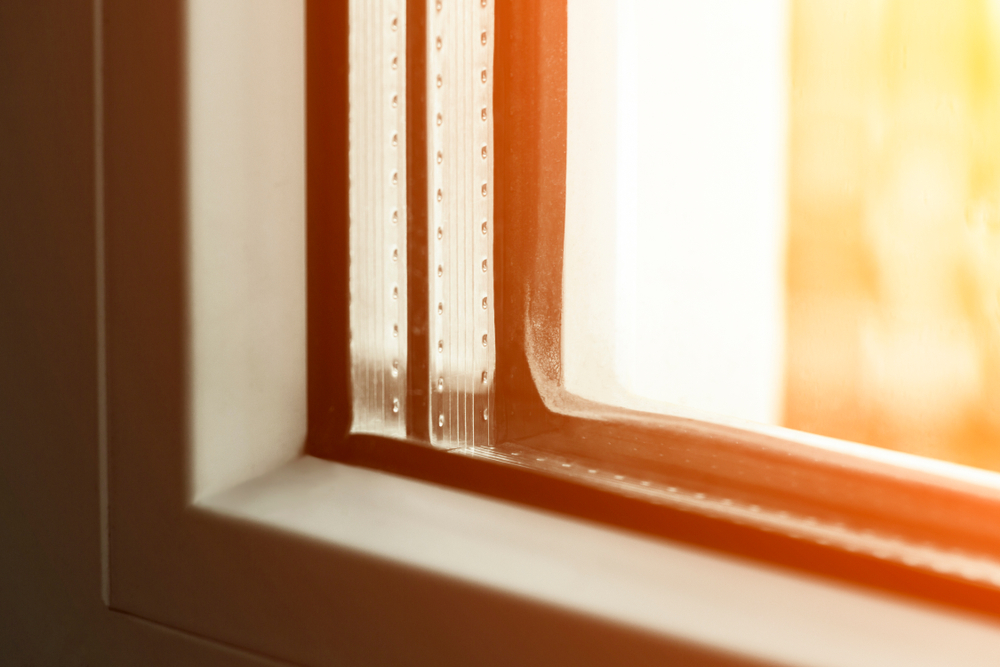
You can put window film on double-glazed windows but with caution and consideration of specific factors. The concern around applying window film to double-glazed (also known as dual-pane or insulated glass) windows primarily revolves around the potential risk of thermal stress and damage to the windows. Here’s a detailed explanation… Thermal Stress Cause – Double-glazed windows […]
Can You Put Reflective Film On The Outside Of A Window?

Yes, you can put reflective film on the outside of a window, and in certain situations, it might even be beneficial to do so. Reflective window films are designed to reduce heat and glare from the sun, enhance privacy, and block harmful UV rays. While these films are traditionally applied to the interior of windows, […]
What Happens If You Put Tint On The Outside?
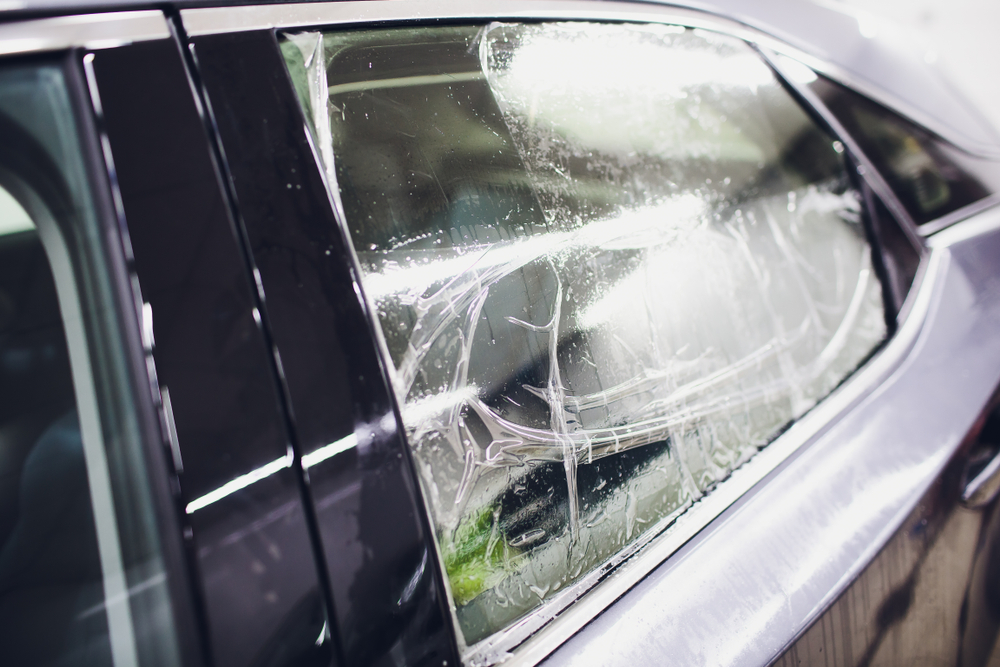
Applying window tint on the outside of a window, as opposed to the standard practice of applying it on the inside. This can lead to several issues and considerations… 1. Exposure to the Elements Durability Concerns – Window tint applied to the exterior is directly exposed to weather conditions such as rain, snow, sun, and extreme […]
How Long Does It Take For Window Tint To Cure In Summer?
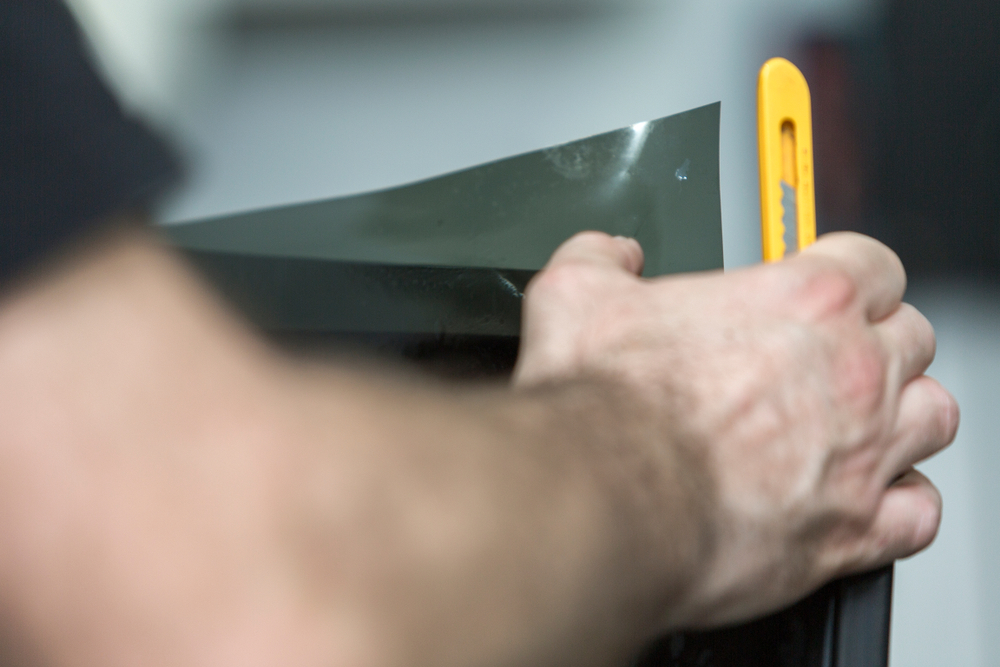
The curing time for window tint in the summer can be shorter due to higher temperatures and more intense sunlight, which help the adhesive dry more quickly. Generally, window tint can take anywhere from 2 to 3 days up to a few weeks to fully cure during the summer, depending on various factors. These factors […]
Is Ceramic Tint Harder To Install?
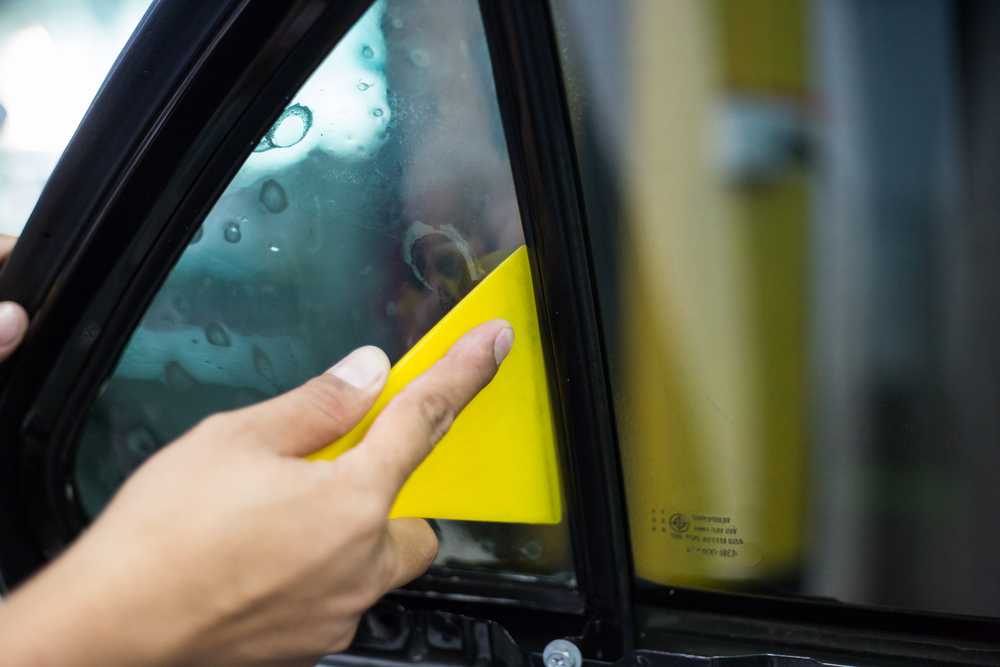
Ceramic tint is considered to be a premium window film option due to its advanced technology and superior performance in terms of heat rejection, UV protection, and lack of interference with electronic signals. Whether it’s harder to install than other types of window film largely depends on the experience and skill level of the installer. […]
Does Tinting Windows Make House Cooler?

Yes, tinting windows can make a house cooler by reducing the amount of solar heat (infrared radiation) that enters through the windows, which is a primary factor in the heating of indoor spaces. The effectiveness of window tinting in cooling your home depends on the type of tint used and its specific properties. Here’s how […]
Can You See Through Tinted Windows During The Day?

Whether you can see through tinted windows during the day depends on several factors, including the tint’s Visible Light Transmission (VLT) percentage, the type of tint, and external lighting conditions. Here’s a breakdown of how these factors influence daytime visibility through tinted windows… Visible Light Transmission (VLT) Percentage High VLT Tints – Window tints with a […]
Does Darker Tint Reduce More Heat?

Yes, darker tints generally reduce more heat compared to lighter tints, but the level of heat reduction also significantly depends on the type of window film used. Darker tints absorb more sunlight, which can decrease the amount of heat that passes through the window. Regardless, the effectiveness of a window tint in reducing heat is […]
Is 20% Tint Pretty Dark?
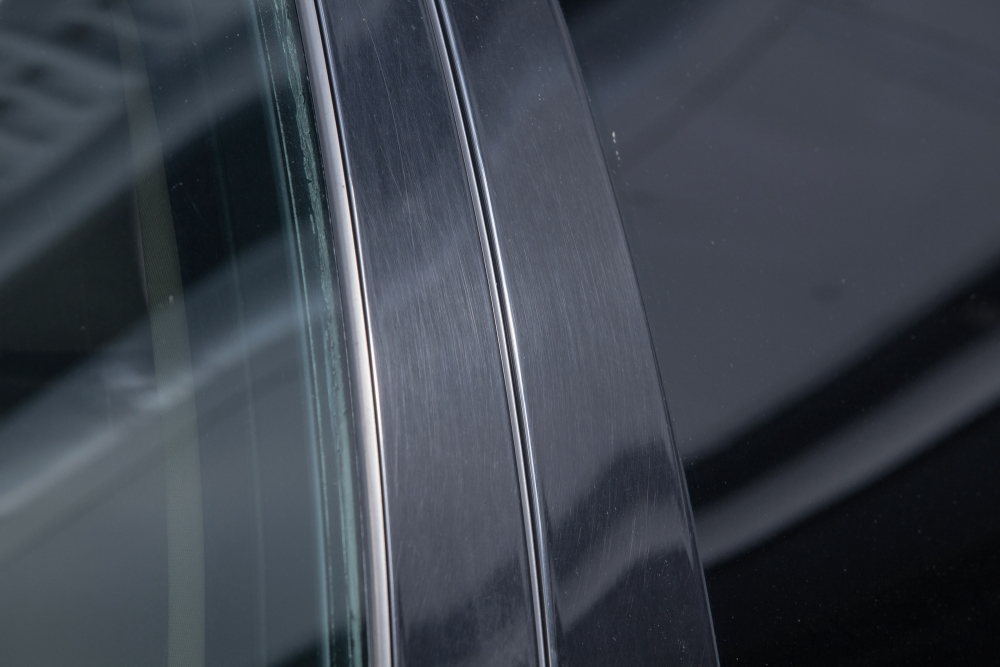
Yes, a 20% tint is considered to be quite dark. The percentage in window tinting refers to the Visible Light Transmission (VLT) level, which indicates the amount of visible light that can pass through the tinted window. A 20% tint allows only 20% of the visible light to penetrate through the window, blocking 80% of […]
Is It Better To Put Window Film On The Inside Or Outside?
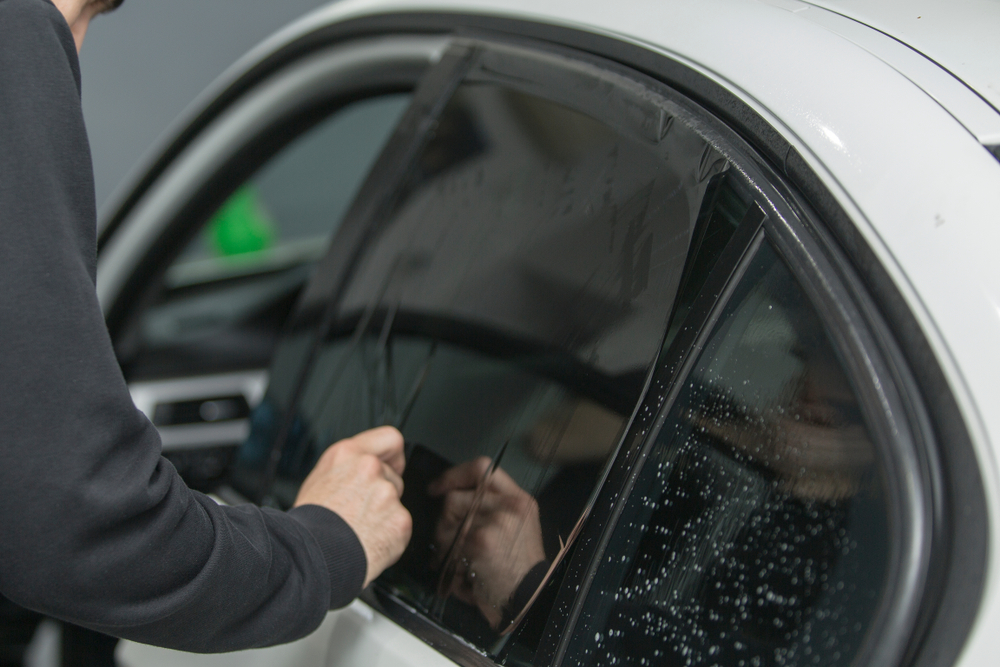
It’s generally better to apply window film on the inside of windows rather than the outside. Here’s why an inside application is usually recommended… Protection from the Elements Durability – The interior application protects the film from weather elements such as rain, snow, and direct sunlight, which can degrade the film more quickly when applied outside. […]